
Keeping Your Business Safe: A Comprehensive Guide to Fire Risk Assessments


Fire – the very word evokes images of devastation. For a business, a fire can be a crippling blow. It can cause irreparable damage to property, disrupt operations for months, and even threaten the lives of employees and customers. The financial and emotional damage can be immense.
That’s why conducting a thorough fire risk assessment is an absolute necessity for any business owner. This proactive measure goes beyond simply hoping for the best; it empowers you to identify potential fire hazards and take decisive steps to prevent a fire or minimize its impact.
This guide will provide you all the knowledge and tools to conduct a comprehensive fire risk assessment for your business.
Step 1: Identifying Fire Hazards – A Keen Eye for Potential Threats
The first step involves becoming a fire detective – meticulously examining your workplace for potential ignition sources. Here’s how:
a) Electrical Hazards: Faulty wiring, overloaded circuits, and improper use of extension cords are all common culprits. Look for damaged cords, loose connections, and a large number of appliances plugged into a single outlet.
b) Flammable Materials: From paper and fabrics to cleaning solutions and paints, many businesses house combustible materials. Identify these materials and assess how they are stored. Are they kept in close proximity to heat sources? Are they properly labelled and stored in designated containers?
c) Open Flames and Heat Sources: Unattended cooking equipment, welding torches, and malfunctioning machinery can all spark a fire. Ensure proper ventilation for areas using open flames and conduct regular maintenance on heat-generating equipment.
d) Human Behavior: Accidental misuse of equipment or improper disposal of smoking materials can lead to fires. Promote fire safety awareness among employees through training and clear signage.
Step 2: Evaluating the Risk – Weighing the Likelihood and Severity
Not all fire hazards are created equal. Some pose a more potential threat than others. To effectively prioritize your efforts, you need to evaluate the risk associated with each hazard. Here’s what to consider:
a) Likelihood: How probable is it that a fire will start from this particular hazard? Is it a common occurrence or a rare event?
b) Severity: If a fire ignites, how severe could the consequences be? Would it cause minimal damage or potentially engulf the entire building?
c) Number of Occupants: The number of people who might be present during a fire significantly influences the risk. A crowded office building with limited exits poses a greater risk than a small workshop with just a handful of employees.
d) Seeking Professional Help: For complex workplaces with high fire risks (e.g., chemical processing plants, warehouses with hazardous materials), consider seeking the expertise of a qualified fire safety consultant. Their experience and specialized knowledge can be key in identifying and mitigating complex fire hazards.
Step 3: Minimizing the Risks – Taking Action for a Safer Workplace
Once you’ve identified and evaluated the fire hazards, it’s time to take action. Here are some strategies to reduce risks:
a) Elimination: Where possible, eliminate unnecessary ignition sources or combustible materials. For example, explore alternative methods that don’t involve open flames or invest in fire-resistant storage solutions.
b) Control Measures: For unavoidable hazards, implement control measures to reduce the risk. This could involve installing proper ventilation systems, storing flammable liquids in designated safety cabinets, or conducting regular electrical inspections.
c) Housekeeping: Maintain a clean and organized workplace. Clutter and debris can provide fuel for a fire and impede evacuation routes. Establish clear procedures for waste disposal and housekeeping practices.
Step 4: Planning for Emergencies – Ensuring a Swift and Safe Evacuation
A fire risk assessment goes beyond preventing a fire in the first place. It’s crucial to have a plan in place for the unfortunate event that one breaks out. Here’s what your emergency plan should encompass:
a) Fire Evacuation Plan: Develop a clear and well-defined fire evacuation plan with designated escape routes. Ensure everyone in the workplace is familiar with the plan through regular training and fire drills.
b) Exits: Clearly mark all exits with proper signage. Conduct regular checks to ensure exits are unobstructed and readily accessible. Consider installing self-illuminating exit signs for low-visibility conditions.
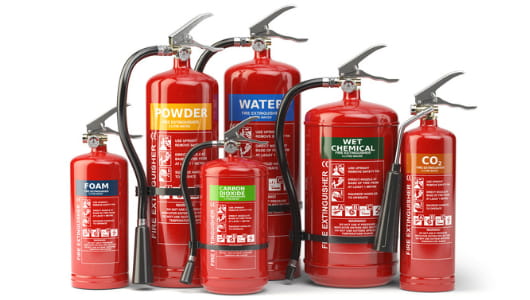
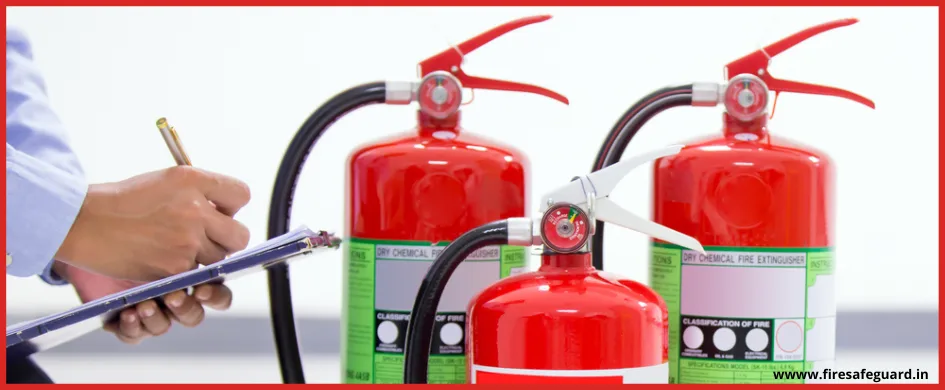
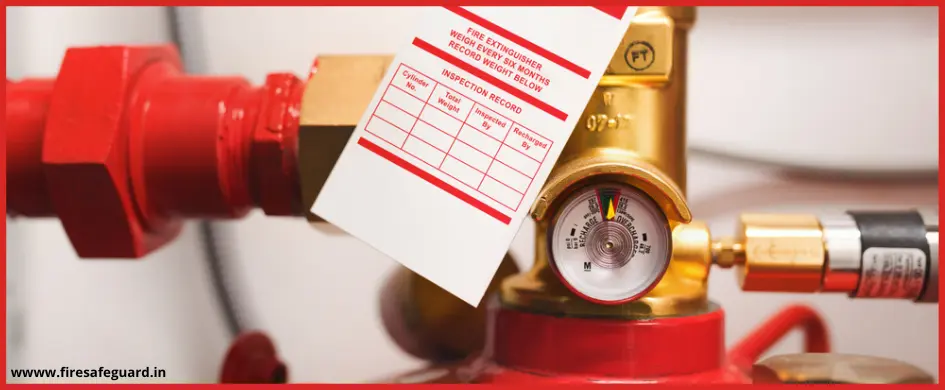
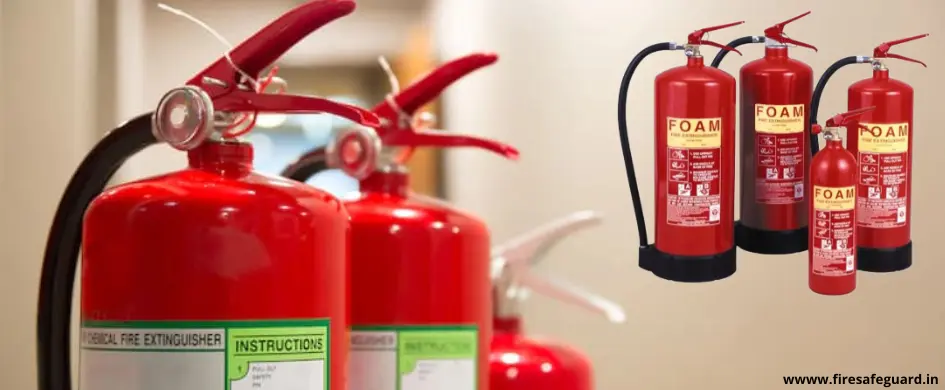
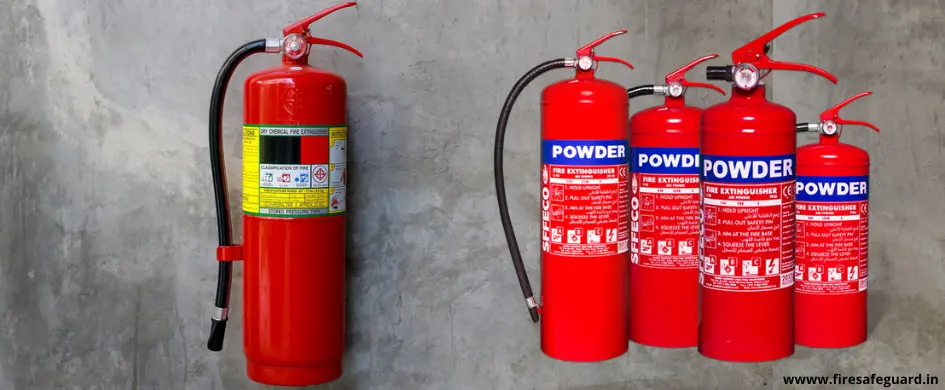
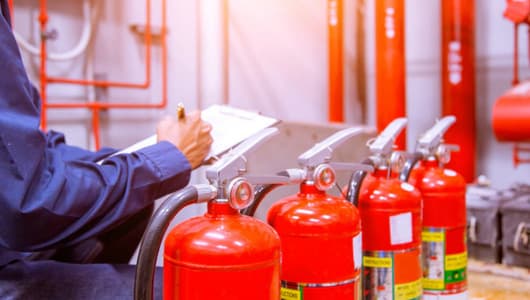
c) Fire Extinguishers: Invest in appropriate fire extinguishers for the types of fires that mostly occur in your workplace. Provide training to employees on their proper use, ensuring they understand which extinguisher type to use for different fire types.
Step 5: Documentation and Review – Maintaining a Continuous Vigilance
Your fire risk assessment shouldn’t be a one-time exercise. It’s a living document that needs regular review and updates. Here’s how to ensure your fire safety measures remain effective:
a) Fire Risk Assessment Document: Record your findings in a comprehensive fire risk assessment document. This document should detail the identified fire hazards, the control measures implemented for each hazard, and the evacuation procedures in place. Make this document readily available to all employees and relevant authorities.
b) Regular Reviews: Schedule regular reviews of your fire risk assessment, ideally at least annually. This is particularly important after any changes occur in your workplace, such as:
c) Changes in Layout: Renovations or additions to your building can introduce new fire hazards or alter existing evacuation routes.
d) Changes in Operations: If your business starts using new equipment, materials, or processes, re-evaluate the associated fire risks.
e) Changes in Occupancy: An increase in the number of employees or the introduction of the public into your workspace necessitates revisiting your evacuation plan and ensuring adequate fire safety measures are in place.
Building a Culture of Fire Safety
Fire safety goes beyond simply having a fire risk assessment and an evacuation plan in place. It’s about fostering a culture of fire safety awareness within your organization. Remember, fire safety is an ongoing commitment. By integrating these practices into your daily operations, you can create a workplace environment where everyone feels empowered to identify and address potential hazards. A proactive approach to fire safety is the best way to prevent a disaster and ensure the well-being of everyone in your business.
Read More Articles:
Known and Unknown Facts about Fire everyone should know
Related Articles

Protein Foam: Your Guide to Effective Fire Suppression
AR-AFFF Foam: Find the Right Formula for Your Needs
AFFF Foam: Your Essential Guide to Fire Safety

Why ECOFOAM is the Future of Environmentally Friendly Firefighting
Foam Concentrates: Sustainable Solutions for Environmentally Conscious Fire Protection

The Right Foam for Every Fire: Synthetic Concentrates for Varied Hazards & Environments

Expansion Foam Concentrate: The Ultimate Solution for Controlling Flammable Liquid Fires
Stop Fire in Its Tracks: Protein Foam's Versatility Across Hazards & Environments
Fluorine-Free Foam (ECOFOAM): Next-Generation Fire Suppression Solutions for Modern Challenges
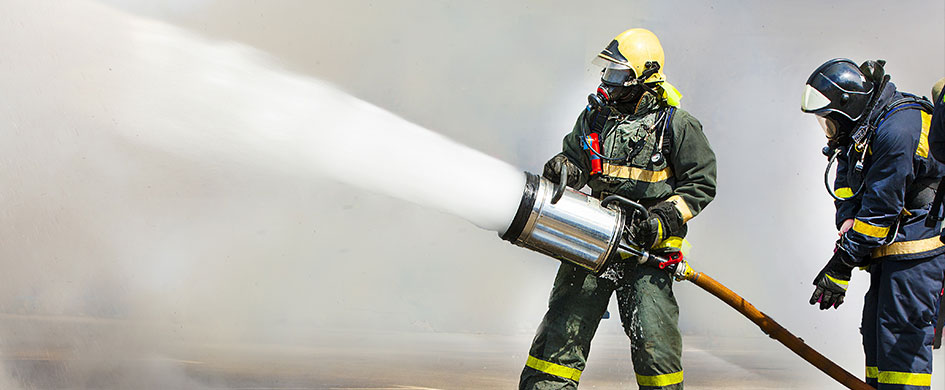
Future of Firefighting is Here: Top Trends in Foam Concentrate Technology Explained
Synthetic Foam Concentrates: The Science Behind Superior Fire Control

Expansion Foam Concentrate: The Game Changer for Fighting Large Fires
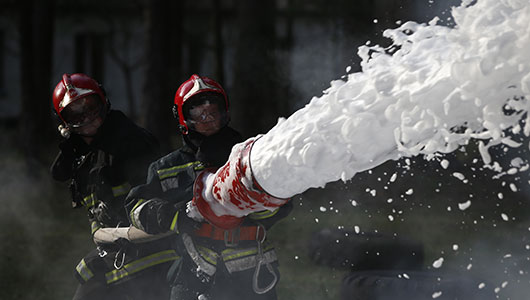
Protein Foam 101: How It Works to Fight Fires
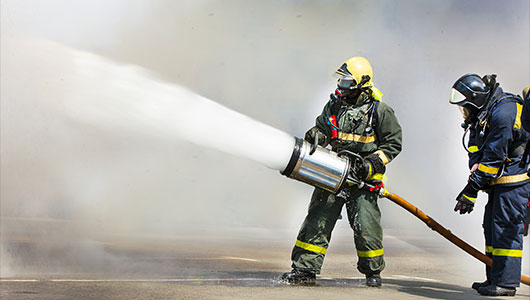
Advantages of Advanced AR-AFFF Foam Technology - Fire Protection Ultimate Guide 2024
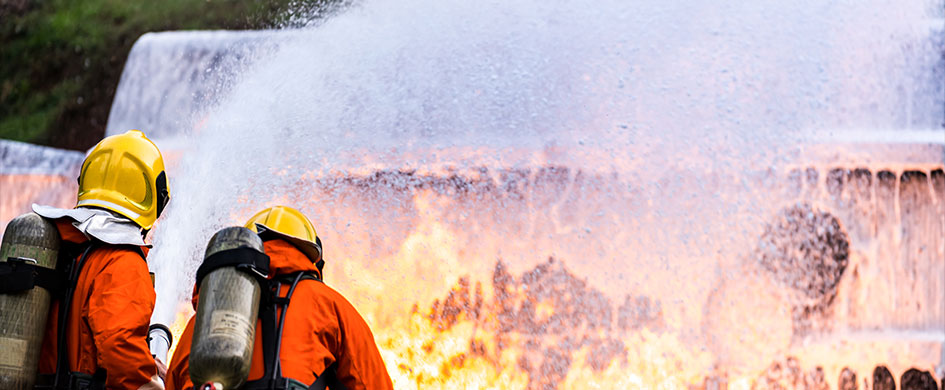
AFFF Fire Suppression: Applications & Benefits for Enhanced Safety
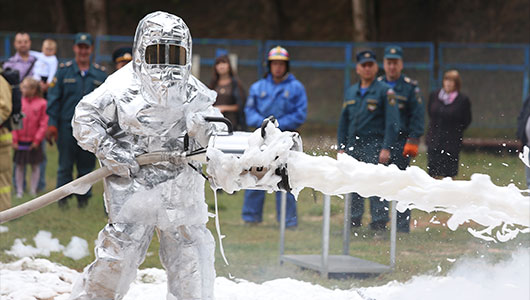
Foam Concentrates vs Traditional Fire Extinguishers: Which is More Effective?
Fight Fires Eco-Friendly: Rise & Future of Fluorine-Free Foam (ECOFOAM)
Synthetic Foam Concentrates: Advancing Fire Suppression with Cutting-Edge Technology
Expand Your Fire Safety Arsenal: Exploring the Versatility of Expansion Foam Concentrate
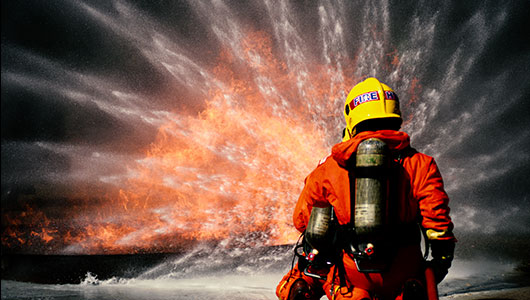
Protein Foam Concentrates: Harnessing Nature's Power for Effective Fire Suppression | Guide 2024
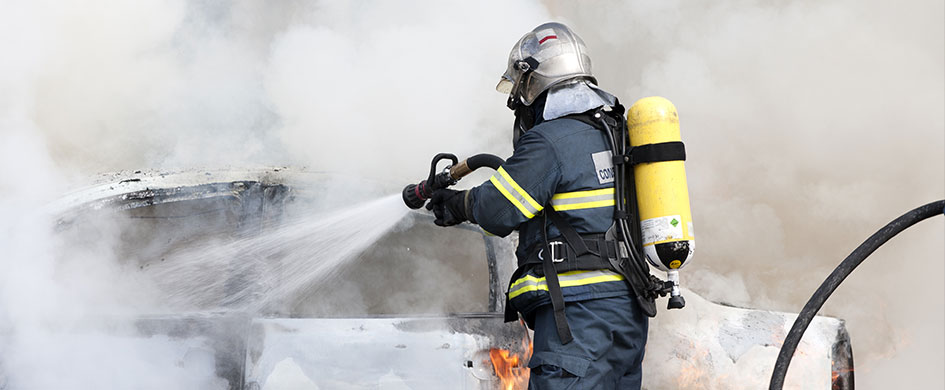
Advanced AR-AFFF Foam: The Cutting-Edge Solution for Superior Fire Suppression Performance

Understanding AFFF Role in Rapid Fire Suppression
The Rise of Eco-Friendly Fire Suppression: Exploring Fluorine Free Foam (ECOFOAM) Solutions
Foam Concentrates: The Ultimate Guide(2024) to Effective Fire Suppression
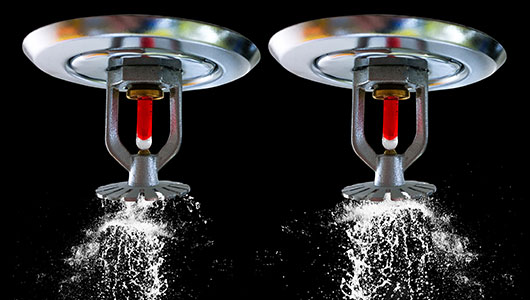
Choosing the Right Fire Sprinkler System for Your Commercial Property
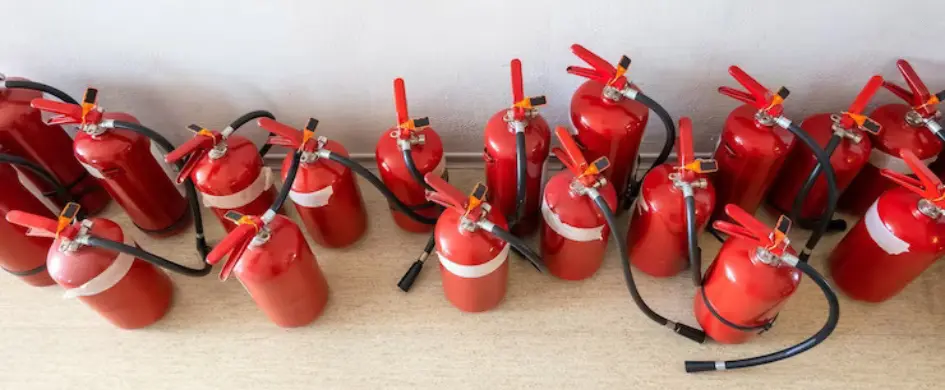
Emergency Evacuation Planning: Steps to Ensure Workplace Safety

The Ultimate Guide to Fire Extinguishers: Types, Uses, and Maintenance
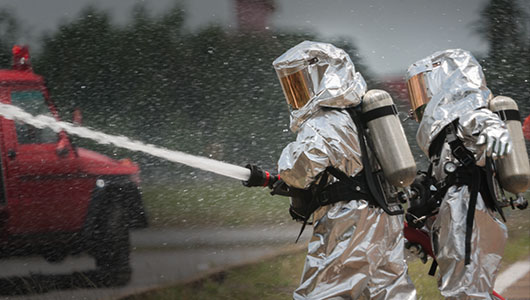
The Role of Personal Protective Equipment (PPE) in Firefighting
Protecting Your Electrical Equipment: The Importance of a Fire Suppression System for Electrical Panels
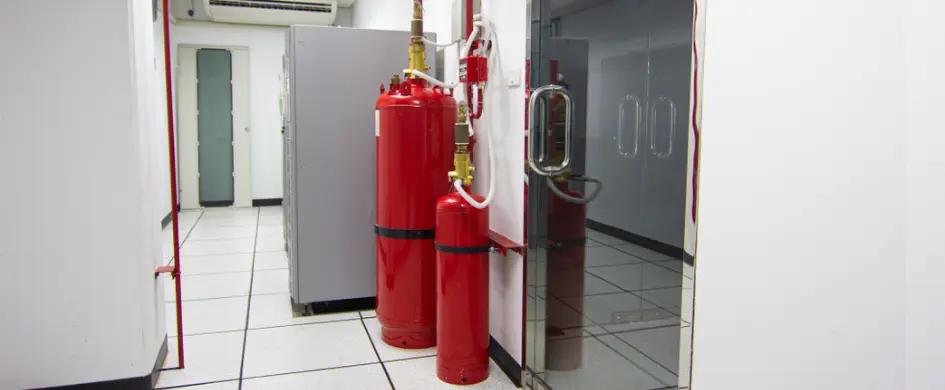
Protect Your Data Center with a Reliable Fire Suppression System
How to choose a water mist fire extinguisher
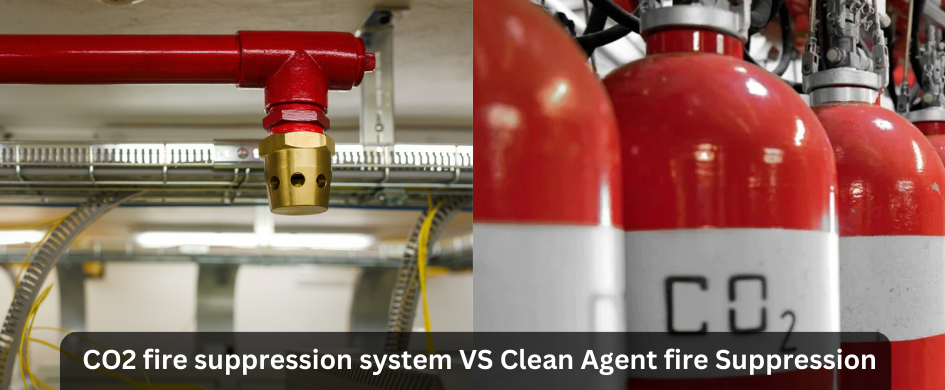
CO2 Fire Suppression System vs Clean Agent fire Suppression
Ensuring Safety in the Factory: Choosing the Right Fire Fighting Equipment
The Top 5 Places Where Fire Suppression Systems are a Must
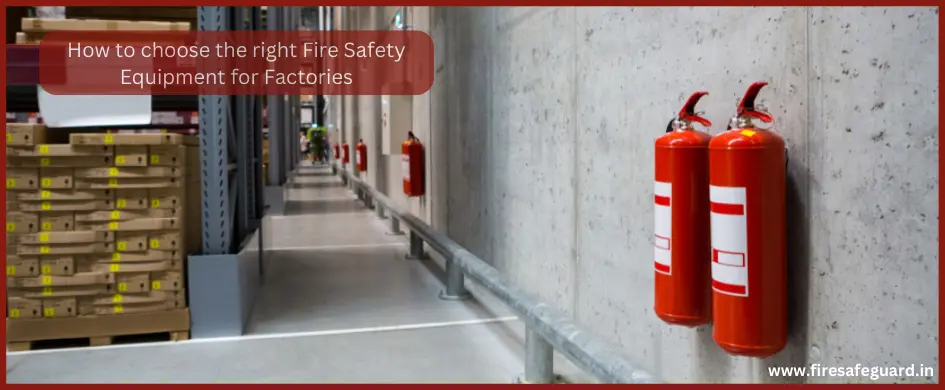
How to Choose the Right Fire Safety Equipment for Factories
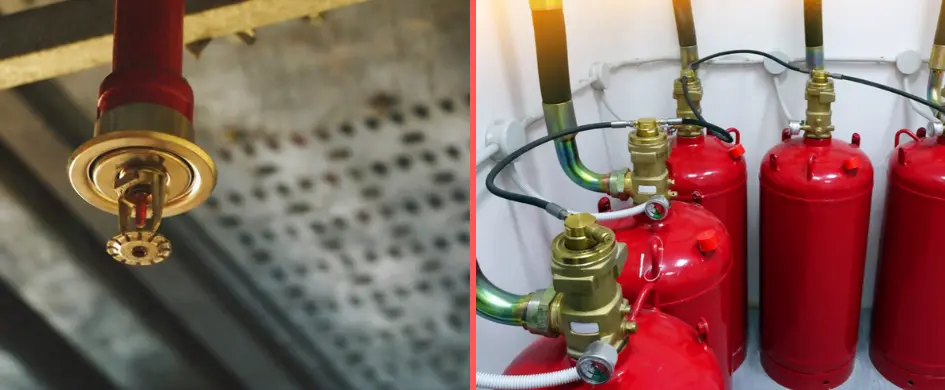
Difference Between Fire Suppression System and Fire Sprinkler
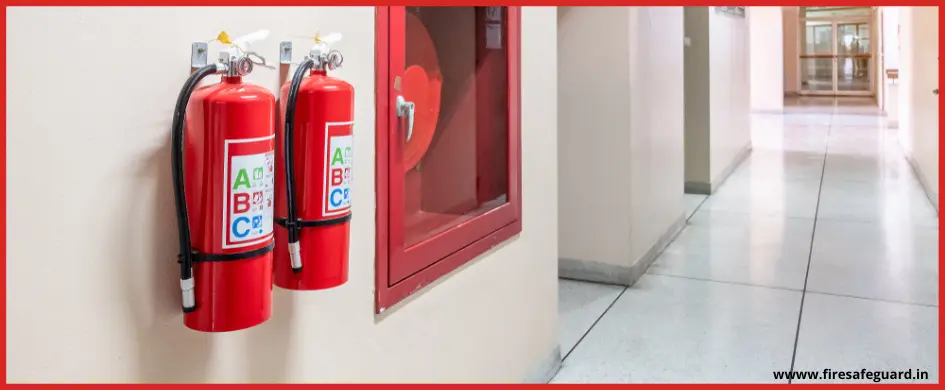
Ultimate Fire Extinguisher Buying Guide for Business owners
Known and Unknown Facts about Fire Everyone Should Know
Everything you need to know about Water Type Extinguisher
What is a Clean Agent Fire Extinguisher ? Detailed Guide 2024
Everything You Need to Know About Foam-Type Fire Extinguishers
Everything You Need to Know about Dry Chemical Fire Extinguishers - Detailed Guide 2024
Top Fire Extinguisher Manufacturers in India